Last month the UK Government provided some welcome assurances for businesses regarding the effect of Brexit on EU intellectual property rights.
After a number of setbacks (not least in the United Kingdom) in its ambition to hold a valid EU trade mark registration for the shape of its four-finger Kit Kat chocolate bar, Nestlé must have been keeping all four of its fingers crossed last Wednesday when the Court of Justice of the European Union (CJEU) ruled on the validity of its registered trade mark in the EU.
Following a week of political drama, which has seen the resignation of the Foreign Secretary and the Secretary of State for Exiting the EU, the British Government today published its much-anticipated “White Paper”. This sets out the proposals for the future relationship between the UK and EU which were collectively agreed by the Cabinet last week. The White Paper includes, at paragraphs 149-152, a pledge to “explore staying in the [Unified Patent] Court and unitary patent system after the UK leaves the EU”.
ZTE, the Chinese telecommunications manufacturer, has been found to be wilfully infringing seven of Maxell’s US patents. ZTE has been ordered to pay Maxell $43 million for the infringement of the patents, which relate to wireless flash drives, multimedia devices, and storage and memory devices in mobile phones and tablets.
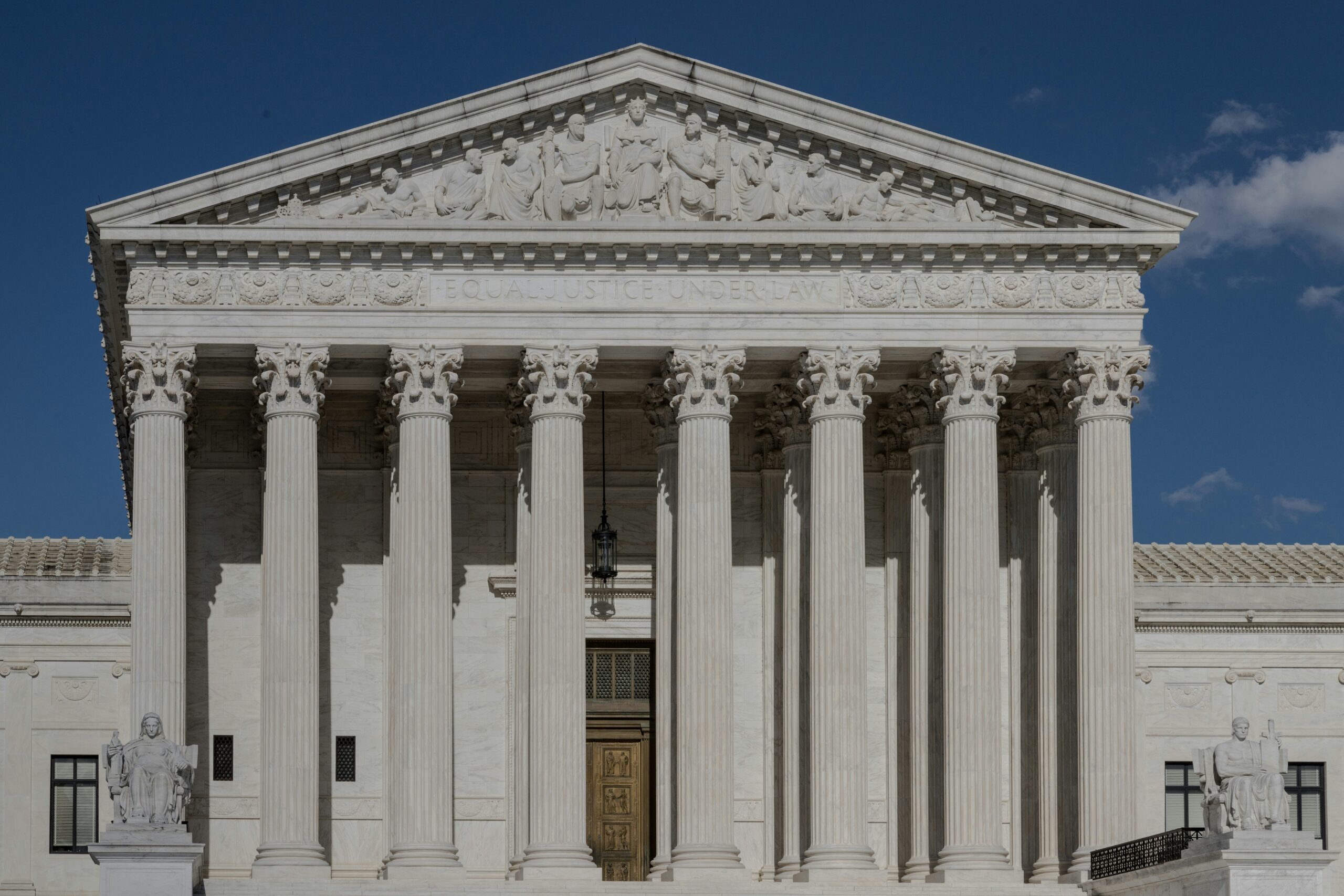
The Hungarian Constitutional Court today ruled that the Unified Patent Court Agreement (UPCA) is contrary to the Hungarian constitution and therefore cannot be ratified by Hungary.
The planned the new unitary patent system does not include the creation of a ‘unitary SPC’. Instead, it is anticipated that a unitary patent may be used as the basic patent for a national SPC application. However, it is becoming increasingly likely that the European Commission (EC) will introduce a unitary SPC.
Highly anticipated, widely misinterpreted and surely much talked about: another chapter in the case of Christian Louboutin’s red sole trade mark has come to a conclusion.
Today, 13 June 2018, the UK became a member of the “Hague Agreement for the International Registration of Industrial Designs”. This follows the UK’s ratification of the agreement three months previously.
International design applications filed from today onwards will provide the opportunity for design protection to be obtained in the UK via such an international application.
The European Commission is poised to introduce an SPC manufacturing waiver as early as 2019. The controversial proposal aims to ‘boost the competitiveness of the generics and biosimilars sector, but without undermining the market exclusivity granted under the SPC regime in protected markets’. However, there are concerns about the impact of the proposed waiver.
In a recent decision concerning the patenting of antibodies (Amgen Inc. v. Sanofi), the US Federal Circuit Court raised the bar for certain antibody patents. The US patent and trademark office (USPTO) has issued a memorandum explaining the revised practice, and although the memorandum specifically refers to claims drawn to antibodies, there are already signs that the revised guidance may well impact on inventions in a wider field.
Subscribe here for updates on IP news, events and webinars.
|